Peptide Purity & Quantitation Screening
✦
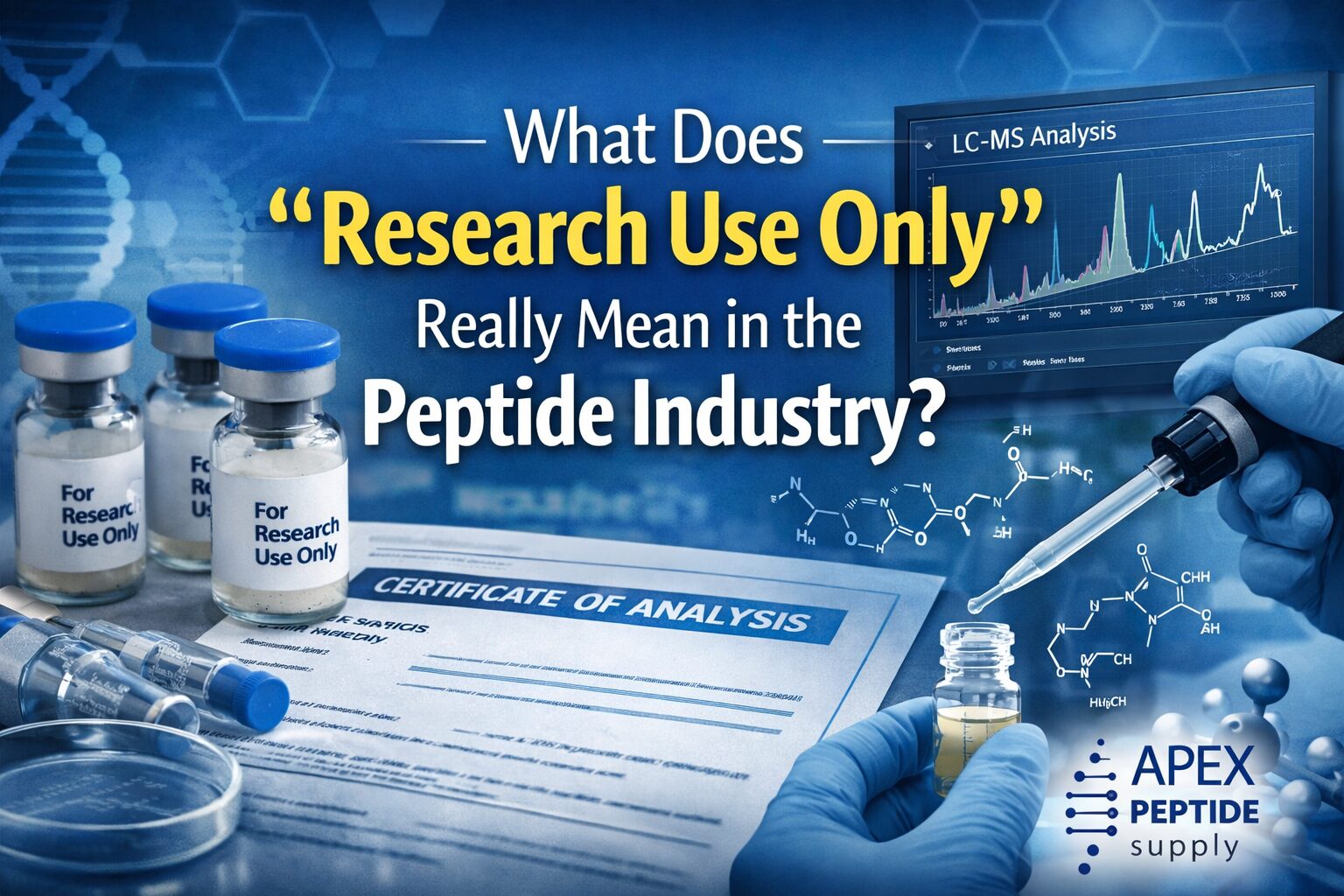
Mass Spectrometry And Peptide Evaluation
Peptide Examination is a US-based research laboratory offering HPLC and UV evaluation for peptide verification. The lab emphasizes effective example processing and precision in peptide analysis. The supplier ranking system accumulations evaluating results, enabling researchers to contrast quality patterns throughout various distributors.Where can I send my peptides to evaluate for pureness?
ACS Peptide Examining Labs is a specialist peptide evaluation laboratory that approves samples from all 50 states. Whether you require to check peptide pureness, verify a supplier''s Certificate of Evaluation, or run extensive contaminant testing, our lab gives quickly, precise outcomes with comprehensive reporting.
What's The Difference Between Vendor Coa And Third-party Testing?
The purity of peptides is normally tested utilizing high-performance fluid chromatography (HPLC). HPLC separates peptides based upon their communications with a fixed phase, enabling pollutants and byproducts to be recognized and measured. Additionally, mass spectrometry (MS) can be utilized to confirm the peptide's molecular weight and series, supplying further confirmation of purity by discovering contaminants and degradation products. This comprehensive overview covers every little thing you need to learn about peptide screening labs. Whether you're validating a new supplier or troubleshooting unforeseen outcomes, this resource provides you the expertise to make informed choices concerning peptide quality. For many visitors of a peptide beginners' overview, "research-grade" is the world you operate in.Quality Control For Researchers: Why It Starts With Recognition
Match the lot number on the COA to the great deal number on the vial tag exactly. If the numbers do not match, the COA does not confirm that batch. After the completed dosage type is manufactured, they evaluate for pollutants that are produced during the process of making the batch or various other basic material pollutants that are simpler to check in the completed dose form. Any type of various other heights that take place to be discovered are by coincidence, not design. There may be excipients that never liquify in the sample, obtain embeded the column and never elute, the detector never ever detects due to the wavelength, can not be discovered by UV absorbance, etc.- If you dissolve a 5 mg vial presuming all 5 mg is energetic peptide, your molar focus will be inaccurate.
- For research-grade peptide qualification, HPLC and LC-MS/ESI-MS response various inquiries and should read with each other.
- It functions as a pointer and legal disclaimer that the item is not a therapeutic or palatable.
- MS validates the right molecular weight and is highly sensitive to mass distinctions corresponding to amino acid substitutions, deletions, or alterations.
- The outcome is a peptide that's shorter than planned-- missing out on one or more amino acids.